

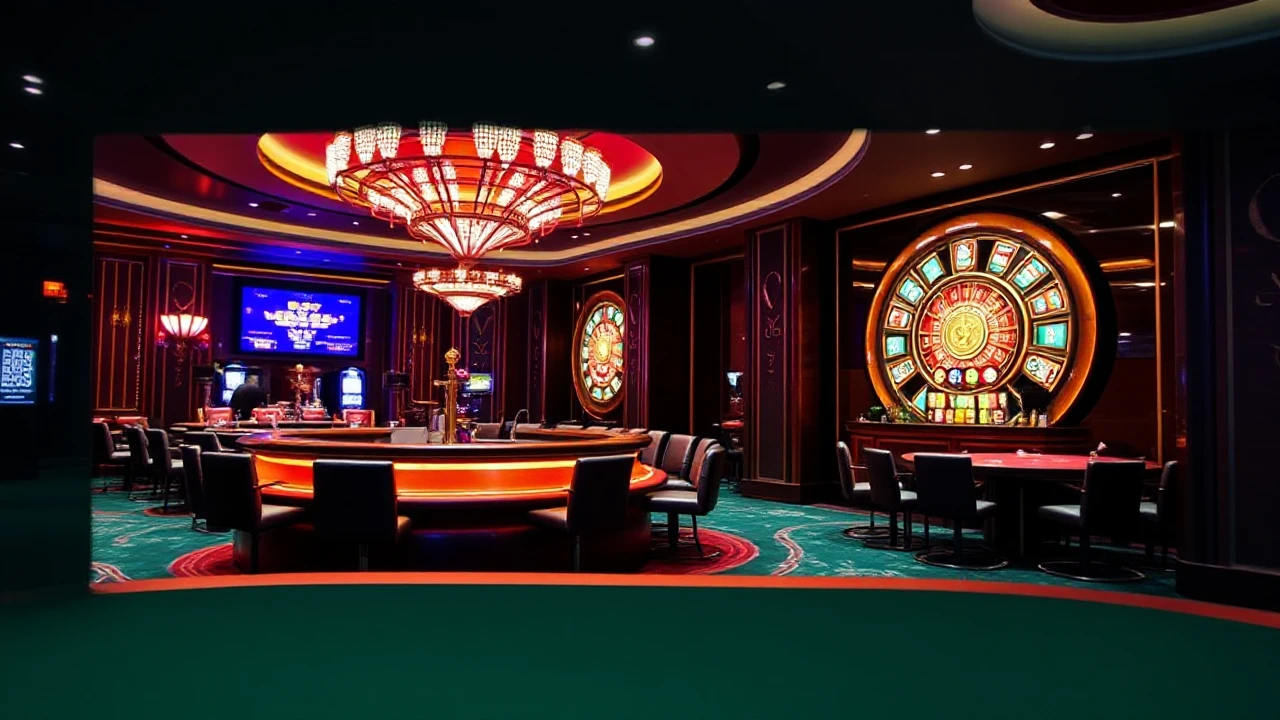
When it comes to gaming houses, the design is not just about aesthetics; it plays a pivotal role in shaping the entire gaming experience. Uncovering the psychology behind casino online slots design can reveal why players behave the way they do in these alluring environments.
The Psychology of Casino Design
Gaming house designers carefully design every aspect of the space to create a certain vibe. From the color schemes to the positioning of illumination, every element is purposefully chosen to evoke particular emotions and reactions from guests.
Key Elements of Gaming House Design
- Color Psychology: Colours like red and yellow are often used to excite energy and generate a sense of urgency.
- Illumination Effects: Soft lighting can create a relaxing ambiance, while bright lights near gaming areas increase thrill levels.
- Arrangement Strategies: Labyrinthine layouts are frequently used to promote discovery and retain players engaged.
{In the world of gaming houses, design is not just about aesthetics; it's a strategic tool used to influence player behavior and maximize revenue.
The Impact of Design on Player Behaviour
The thoughtfully planned design of gaming houses can have a profound impact on how players behave within the space. Starting from the second they step in, each detail is tailored to enhance the betting experience and keep people engaged.
Creating an Captivating Environment
Casino designers aim to create an captivating environment that grabs players' attention from the moment they walk in. By strategic positioning of games and amenities, they guarantee that guests are constantly stimulated and amused.
Promoting Extended Stay and Increased Wagering
By designing layouts that are intriguing and simple to explore, casinos encourage players to stay longer and spend more. Features like free beverages and luxurious seating further boost the entire experience.
Conclusion: Designing Memorable Moments through Innovative Design
In conclusion, the influence of gaming house design on gambler conduct is unquestionable. Through understanding the psychological factors behind successful design, owners can establish spaces that not only draw in visitors but also keep them engaged and entertained for longer periods.